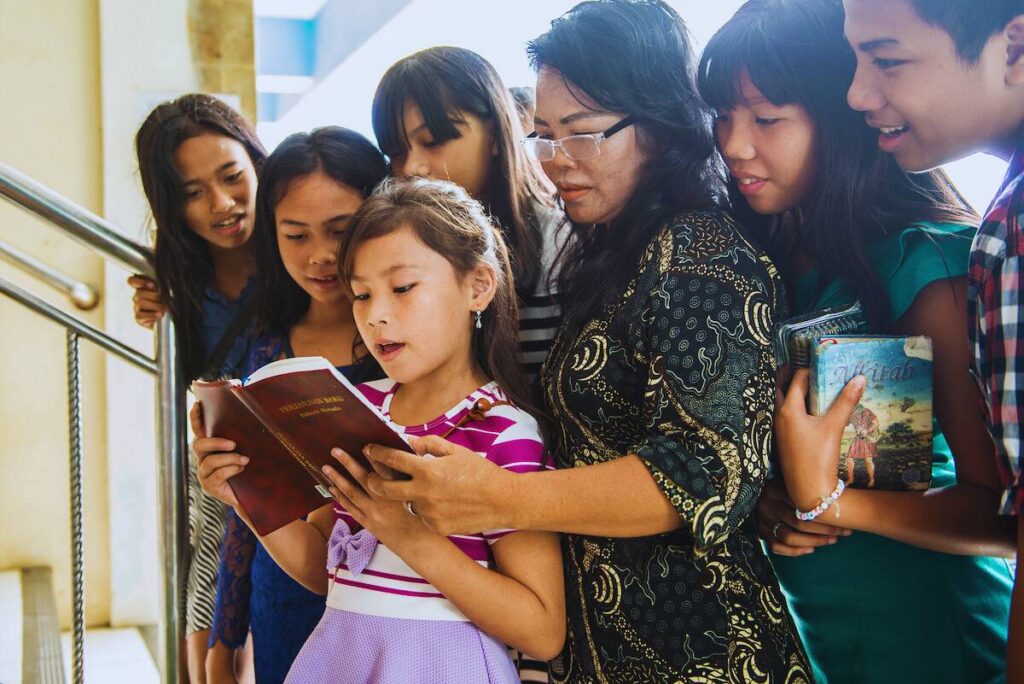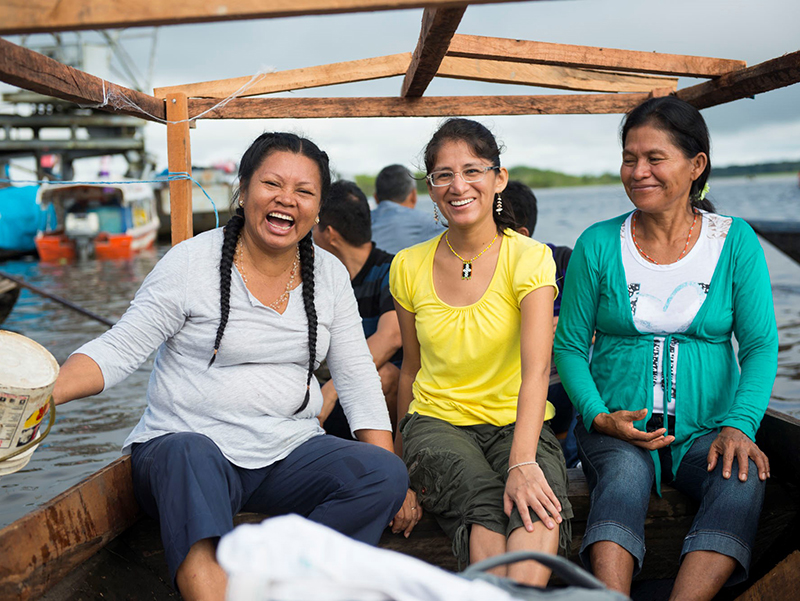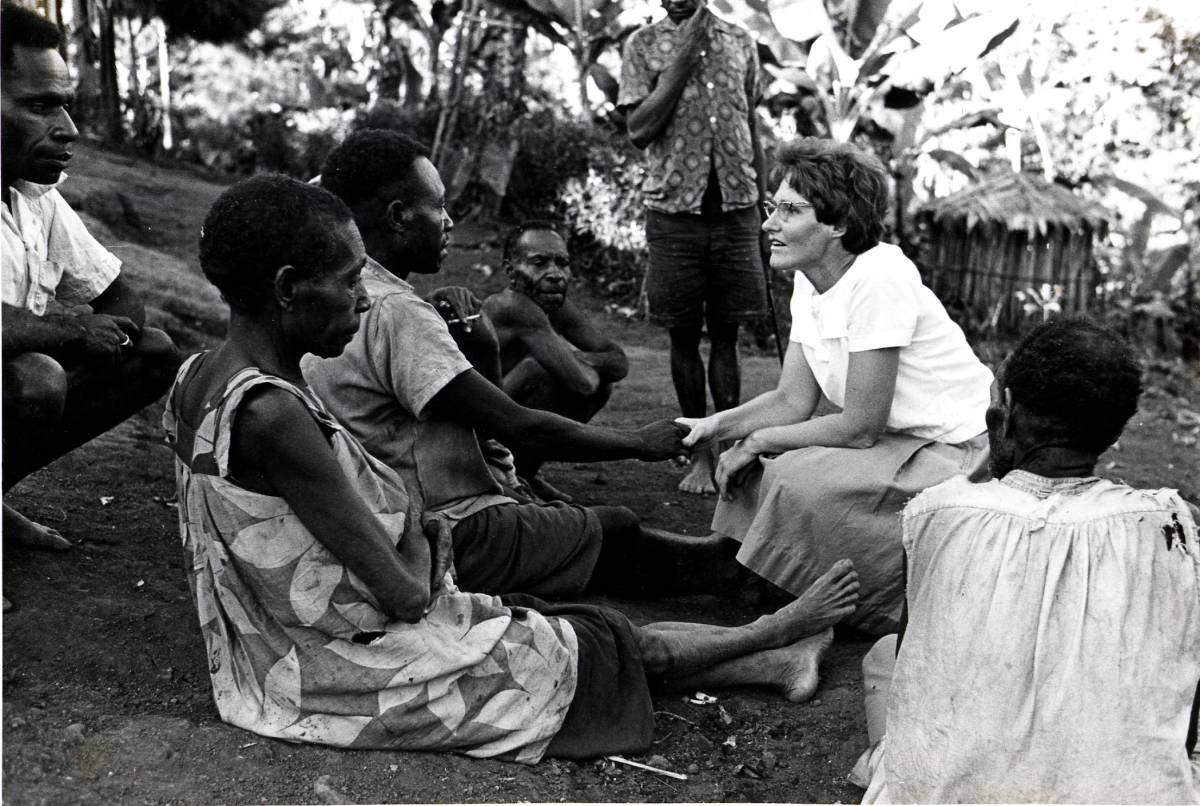
How do you let someone know you love them? You communicate it through your actions and words. God, who is love and the reason we know how to love others (1 John 4:8; 1 John 4:19), also communicates His love to us through His actions and words. He sent His Son, Jesus, to die for our sins (Romans 5:8). And He expresses His love for us and promises to us through His Word, the Bible, which is the greatest story of all time!
Why Language Matters in God’s Story
Language and words have always been central in God’s work and His ways. At the very beginning, He spoke creation into existence with words. He could have used any method, but He chose to simply say, “Let there be light,” and there was light — and so on until the earth was no longer “formless and empty” (See Genesis 1).
After creation, God’s story continued. It’s a story that tells of His power and holiness, His love and mercy and His desire to redeem and restore.
It’s a story that was always meant to be shared across all generations, first among the Jewish people and later among all nations. It’s a story that includes meticulous laws and 10 specific commandments.
It’s a story in which “the Word became flesh and made his dwelling among us” (John 1:14a, NIV) — a Savior who fulfilled the law and made a way for anyone to be redeemed from sin and reconciled to God by grace through faith.
It’s a story that promises eternal life for all who trust in Jesus Christ alone as Savior, in a Kingdom where all nations will worship before God’s throne. And it’s a story God wants everyone to experience in a language and format they understand so they have the opportunity to encounter Jesus and be transformed.
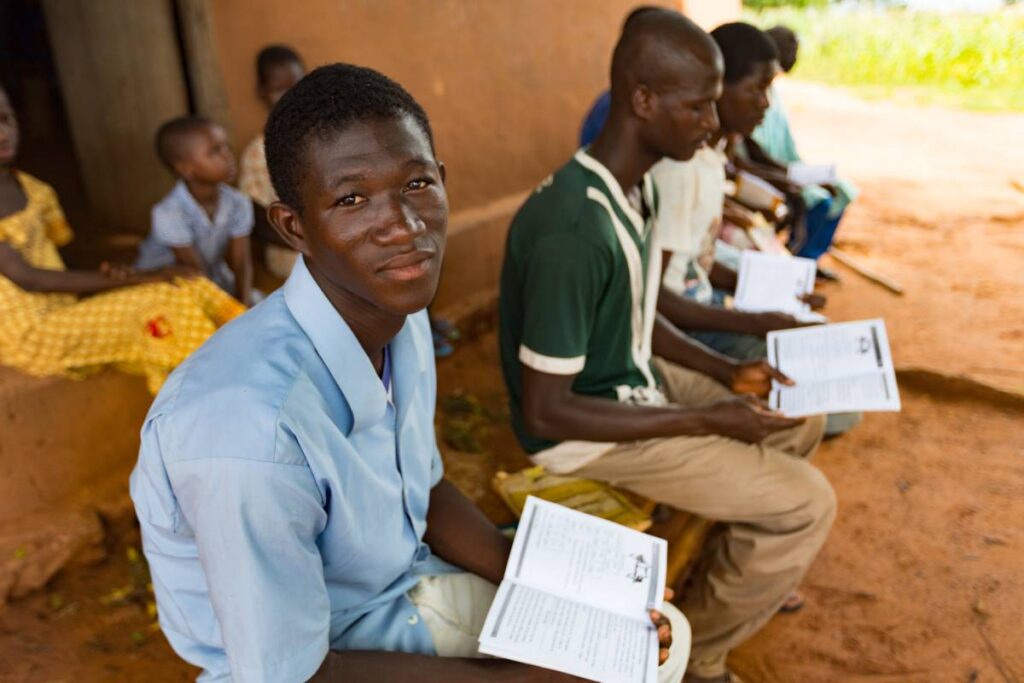
But there are still people all over the world who don’t yet have the complete story of God’s Word. Some don’t have any Scripture at all in a way they can clearly understand. That’s why Bible translation matters so much.
As we explore this significant mission, let’s look at the history of Bible translation and its impact on the global Church, including:
- Babel: The Beginning of Language Diversity
- God’s Plan for All Nations
- Pentecost: The Gospel in Every Language
- The Birth of the Global Church
- Early Bible Translations
- The Reformation and the Explosion of Bible Translation
- The Missionary Movement
- The Modern Bible Translation Movement
- Technology and the Future of Bible Translation
- The Global Church Today
- Why Bible Translation Matters
- The Work Still Ahead
- From Babel to Now
- FAQs
Babel: The Beginning of Language Diversity
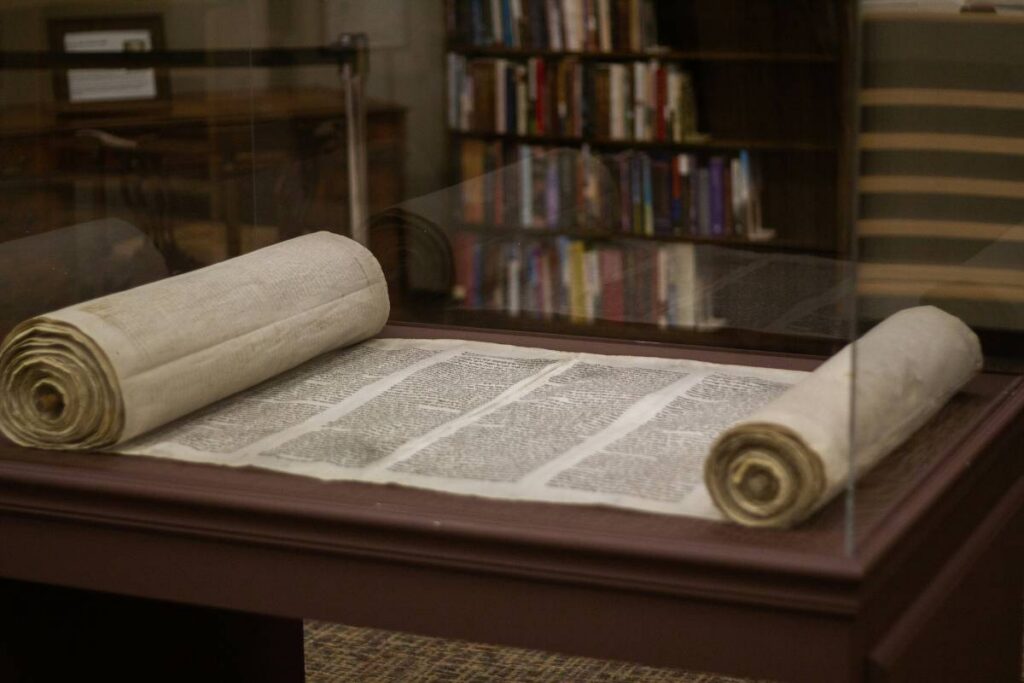
Do you ever wonder what language God used when He spoke creation into existence? Only He knows! But the first human writer of God’s story was Moses. Exodus 34:27 (NLT) says that God told him, “… ‘Write down all these instructions, for they represent the terms of the covenant I am making with you and with Israel.’”
Moses wrote in Hebrew, his native language. During the thousand years it was written, almost the entire Old Testament was written in Hebrew.
So why doesn’t everyone use Hebrew today? Why did God create different languages? And what does the Bible say about language diversity?
Genesis 11:1 (NLT) says, “At one time all the people of the world spoke the same language and used the same words.” But that changed when the people, filled with pride, rebelled against God. They wanted to make a name for themselves and follow their own desires rather than God’s will (Genesis 11:4).
So God confused the people with different languages and then scattered them all over the earth (Genesis 11:7-8).
Ever since, the world has been filled with linguistic and cultural diversity — and obstacles and challenges for anyone trying to communicate across different languages. But diversity is never an obstacle or challenge for God. He understands every language and loves every person from every culture — and He wants them to understand His love too.
Throughout history, the work of Bible translation has been helping to bridge the divides that began at Babel so that more and more people can encounter Jesus in the languages and formats they clearly understand.
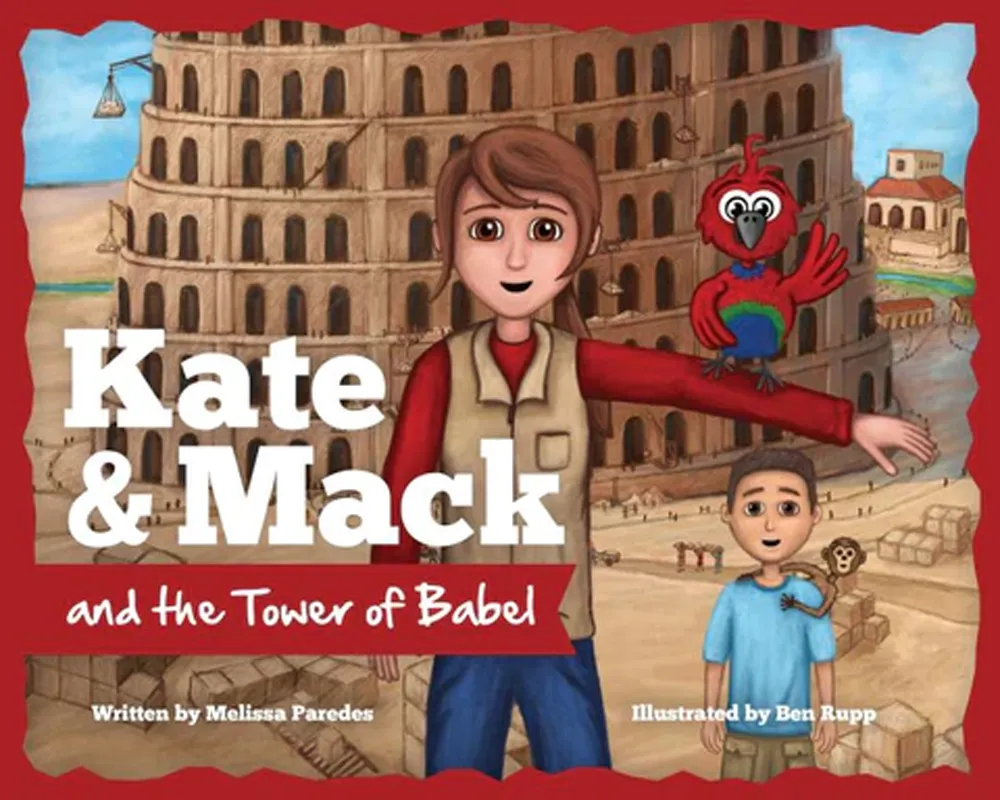
Travel with Kate, Mack and some new friends back to the Tower of Babel, and discover how languages first began — and why language still matters in God’s story today.
God’s Plan for All Nations
Just one chapter after the events of Babel, God said to Abraham “… all peoples on earth will be blessed through you” (Genesis 12:3, NIV).
This means that God’s plan had not been thwarted by human rebellion. He was still writing a redemption story, making a way for any person — from any people group or language community — to be reconciled to and have a relationship with Him.
But how do we even know what God said to Abraham in Genesis 12 or anything about God in any chapter of the Bible at all? First we trust the promises in the New Testament that “all Scripture is inspired by God …” (2 Timothy 3:16, NLT) and “… no prophecy in Scripture ever came from the prophet’s own understanding, or from human initiative. No, those prophets were moved by the Holy Spirit, and they spoke from God” (2 Peter 1:20-21, NLT).
Before the Bible existed in written form, people told stories about God and His relationship with people. This is called the oral tradition. This stage of sharing stories by word of mouth lasted for centuries as families passed them along to each new generation.
Around 1800 B.C., when societies in the Near East developed easy-to-use forms of writing, people began to record the stories, songs and prophecies that would later become part of the Bible. And when people began making written records on papyrus and dried animal skin, they also made copies before the older ones became unreadable from repeated use. Sometimes several scribes made copies while another scribe read the text aloud.
Over the years, a process began to collect the Scriptures into what we now know as the Old Testament. Later on — after the life, ministry, death and resurrection of Jesus — the writings we know as the New Testament, originally written mostly in Greek, were also collected.
Pentecost: The Gospel in Every Language
Of great importance in the writings of the New Testament is what Jesus taught about the greatest commandments:
Jesus replied, “‘You must love the LORD your God with all your heart, all your soul, and all your mind.’ This is the first and greatest commandment. A second is equally important: ‘Love your neighbor as yourself.’ The entire law and all the demands of the prophets are based on these two commandments.”
And the way He compelled believers with the Great Commission:
“… Go and make disciples of all the nations, baptizing them in the name of the Father and the Son and the Holy Spirit. Teach these new disciples to obey all the commands I have given you. And be sure of this: I am with you always, even to the end of the age.”
But how did Jesus expect anyone to make new disciples among all nations when languages were so diverse? How would it be possible to clearly share the Good News of the gospel with everyone without knowing every language? God’s answer was Pentecost.
Jesus had promised the coming of the Holy Spirit, and that promise was fulfilled in a dramatic way: “Suddenly, there was a sound from heaven like the roaring of a mighty windstorm, and it filled the house where they were sitting. Then, what looked like flames or tongues of fire appeared and settled on each of them” (Acts 2:2-3, NLT).

The disciples began speaking in other languages immediately and interacted like never before with the numerous visitors from other cultures who were in town for the festival of Pentecost. The crowd heard the disciples speaking and sharing messages about the wonderful things God had done.
But the crowd didn’t just hear — they understood!
The Holy Spirit empowered the disciples to bridge linguistic division and tell all people in Jerusalem about Jesus in a language that made sense in both their minds and hearts. Through this miraculous communication, people were able to realize the message of Jesus Christ and then respond to it.
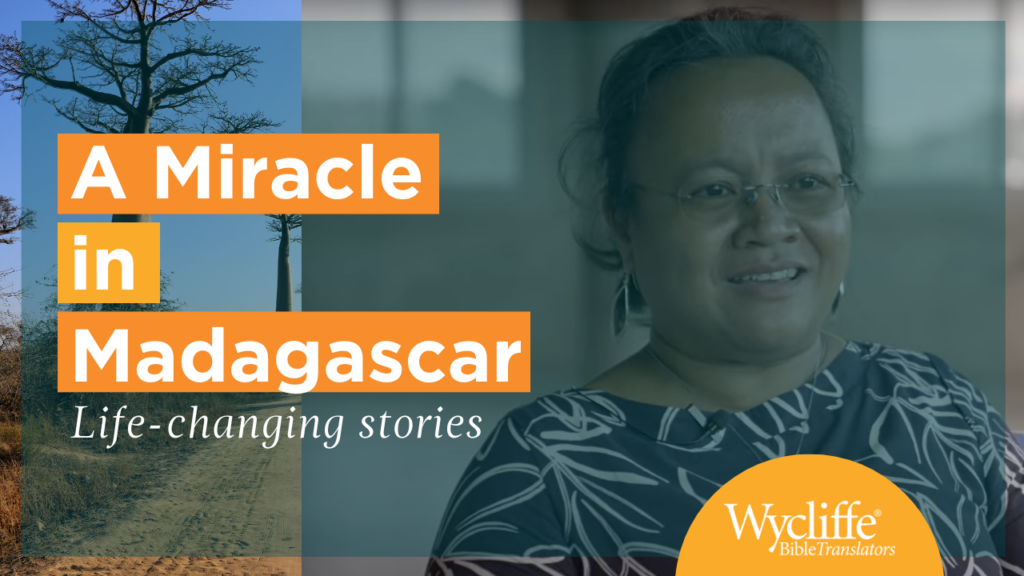
At Pentecost, the Holy Spirit empowered believers to share the Good News across language barriers. Watch how God worked in a powerful and unexpected way through one woman in Madagascar as she stepped out in faith to share the gospel.
The Birth of the Global Church
Pentecost wasn’t just a miracle of communication; it was the birth of the global Church — the moment when God’s Good News began to cross borders and languages. And this miraculous event revealed a deep truth: The gospel is for everyone, and God will go to great lengths to make His Word known in languages and formats people clearly understand.
The gifts and fruit of the Holy Spirit propelled the early Church into ministry. At Pentecost, God poured out His grace on people from all places, removing obstacles and transforming their hearts through understanding. The Holy Spirit didn’t erase languages and cultures to create one homogenous one; instead, the Spirit worked through believers to reach various groups of people — Parthians, Medes, Elamites and more — in the languages they would relate to. This is a picture of the global body of Christ: multilingual and multicultural.
This 7-day devotional invites you to explore how the Holy Spirit worked through the miracle at Pentecost — and how that same Spirit is still moving through the global Church and Bible translation today.
Early Bible Translations
The church was growing, and language communities around the world were too. For believers to faithfully obey the Great Commission, they had to keep sharing the Good News in every corner of the globe — and not just share it but help people truly comprehend it. In Greek, “make disciples” implies deep learning that shapes someone’s head and heart.
For someone to obey Jesus, they need to understand His commandments; so the Great Commission can’t be fulfilled without Scripture written down in the languages that people think in, dream in and pray in.
The Septuagint — the first five books of the Hebrew Bible — were translated into Greek in the third century B.C., and the remainder of the Old Testament was translated in the two centuries that followed.
When the New Testament books were first written, Greek was the common language. But then local languages became popular again, especially in local churches. So translations of the Bible were made into Latin (which was the language of Rome), Coptic (a language of Egypt) and Syriac (a language of Syria). Other early translations were the Gothic Bible and the Armenian Bible.
Around A.D. 382, Pope Damasus I assigned a scholar priest named Jerome to create an official translation of the Bible into Latin. It took Jerome 27 years to complete the work, and his translation was known as the Vulgate. It served as the standard version of the Bible in Western Europe for the next 1,000 years.
The Reformation and the Explosion of Bible Translation
During the Middle Ages, only scholars could read and understand Latin; thus mostly only scholars could read and understand the Bible. In the 1380s, John Wycliffe decided to remedy that. He didn’t want to learn about God from his priest only; he wanted to study Scripture for himself! So John Wycliffe translated the whole Bible into English so that people from all walks of life could engage with it.
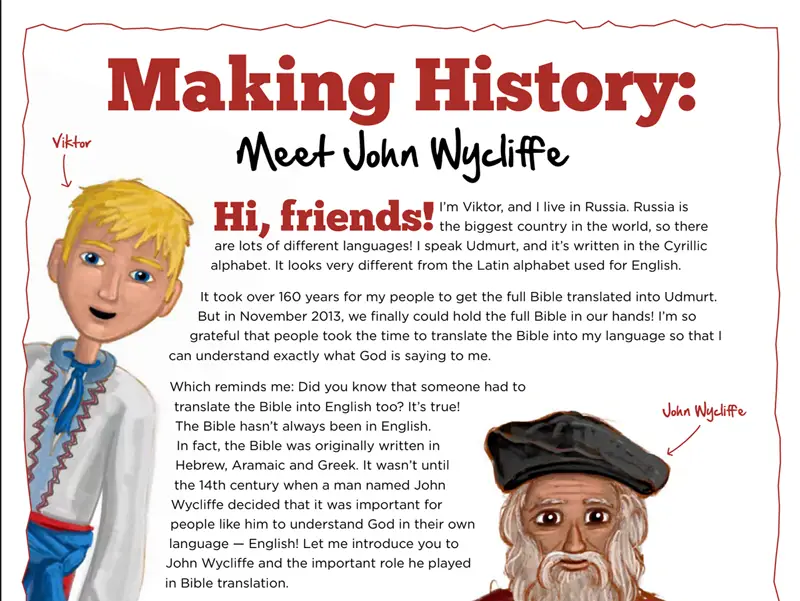
John Wycliffe believed people shouldn’t just learn about God through someone else: They should be able to understand His Word for themselves. This activity invites kids to step into John Wycliffe’s story and discover why Bible translation still matters today.
Around 1456, when Johannes Gutenberg invented the moveable-type printing press, the use of vernacular rather than more formal languages had increased. And as it became more common for people to learn to read, there was a new demand for the Bible in vernacular languages. So translators began to translate the Bible into the languages that people spoke in their everyday lives — translators such as:
- Martin Luther, known for his German Bible translation in the 1520s-1530s
- William Tyndale, known for his modern English translation of the New Testament in 1526
- Casiodoro de Reina, known for his Spanish Bible translation in 1569
- Giovanni Diodati, known for his Italian Bible translation around 1603
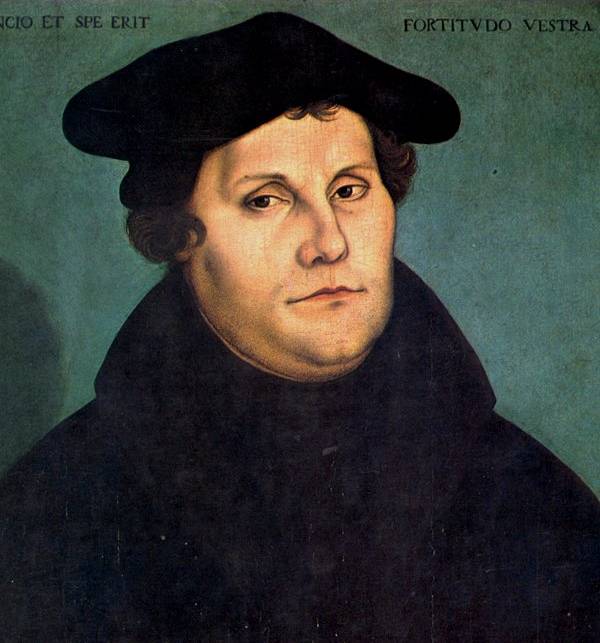
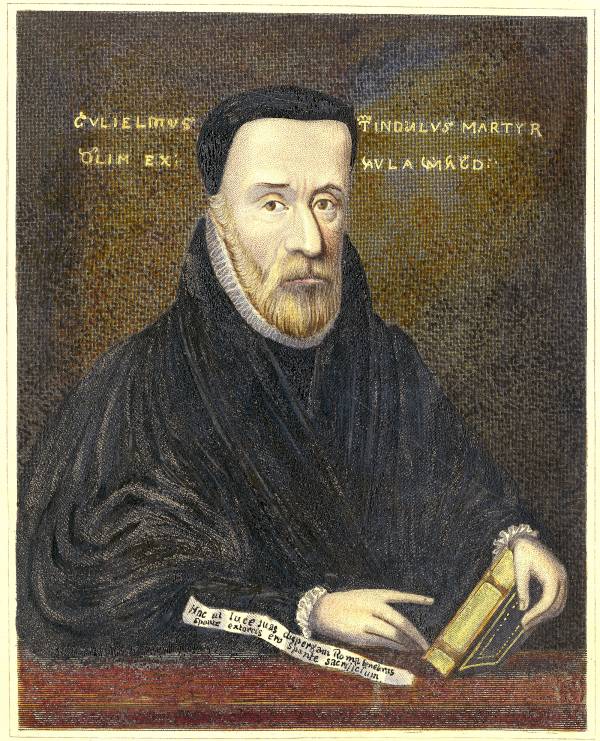
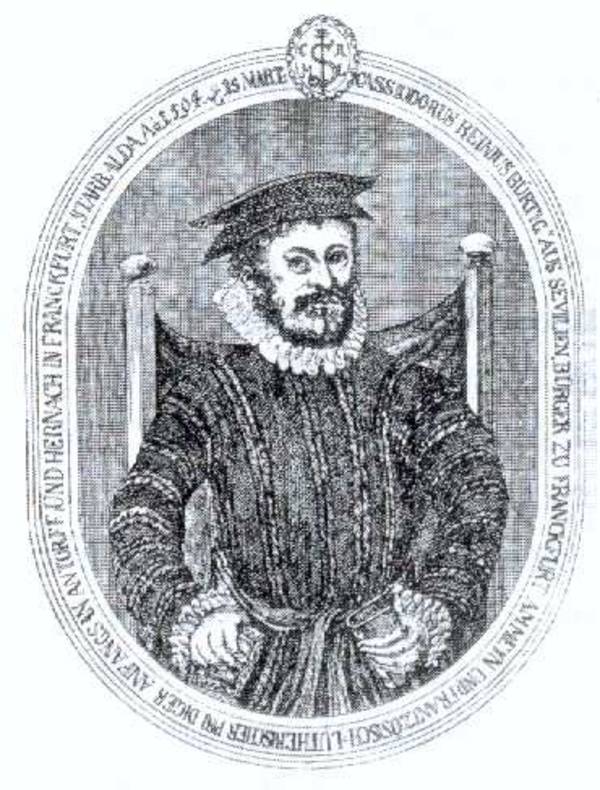
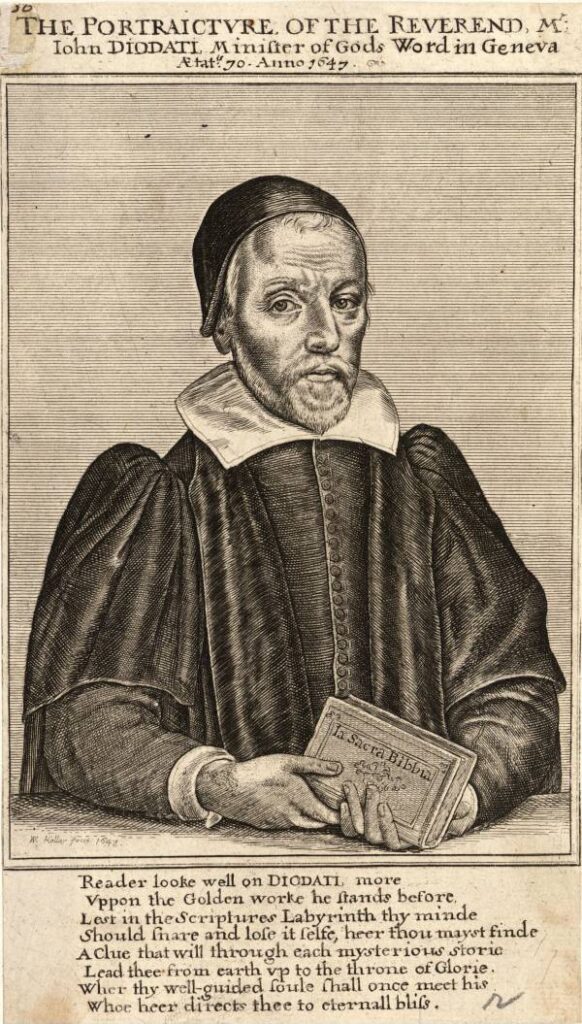
Building on the work of Tyndale and Luther, Miles Coverdale produced the first modern English version of the full Bible in 1539. It was called the Great Bible and was authorized by Henry VIII of England.
In 1560, Protestant reformers including John Calvin, Theodore Beza and John Knox — who were exiled in Geneva, Switzerland — created a new English translation of the Bible called the Geneva Bible. It was easy to read, affordable and accessible.
Thanks to Gutenberg’s printing press, it was mass printed and became the most popular edition of the Bible among English-speaking Protestants until the mid-1600s. The Geneva Bible’s unique features were its marginal notes and commentaries. They presented Reformed theology, which challenged absolute power, including the power of the king.
King James I of England rejected the Geneva Bible and commissioned a new Bible translation. It was completed in 1611 and became the authorized Bible of the Church of England. Many clergy preferred this Bible for its more moderate tone. John Winthrop, a Puritan leader, brought the King James Bible to America in 1629, and eventually it became the most widely read Bible in the American colonies.
The Reformation and printing press modernized the Western world by making the Bible and other books readable and available to broader masses of people in Europe, America and the whole world. This led to a more widely literate population who studied the Bible and could discern biblical teaching and truths for themselves.
The Missionary Movement (1700s-1900s)
The work of Bible translation began to expand globally during the 1700s-1900s. Missionaries helped people from more languages get Scripture and also began to link Bible translation directly to church planting. In the early 1800s, the Bible existed in fewer than 100 languages, but by the 1900s more translations were emerging.
Some of the missionaries foundational to this impact were:
- William Carey (1761-1834), who is often deemed by the English-speaking world as the “father of modern missions,” and was the first Baptist missionary of the modern era. Carey’s strategy for mission work was to focus on Bible translation, and his ministry resulted in at least 35 new translations in languages and dialects of the Indian subcontinent.
- Adoniram Judson (1788-1850), who was commonly called the “father of American missions.” Judson spent years studying the Burmese language and eventually produced a Burmese Bible translation and a dictionary that are still being used today.
- Hudson Taylor (1832-1905), who was known for his pioneering work as a frontier missionary to China. Taylor immersed himself in Chinese language and culture and dedicated much of his time to Bible translation.
The Modern Bible Translation Movement (1900s-Today)
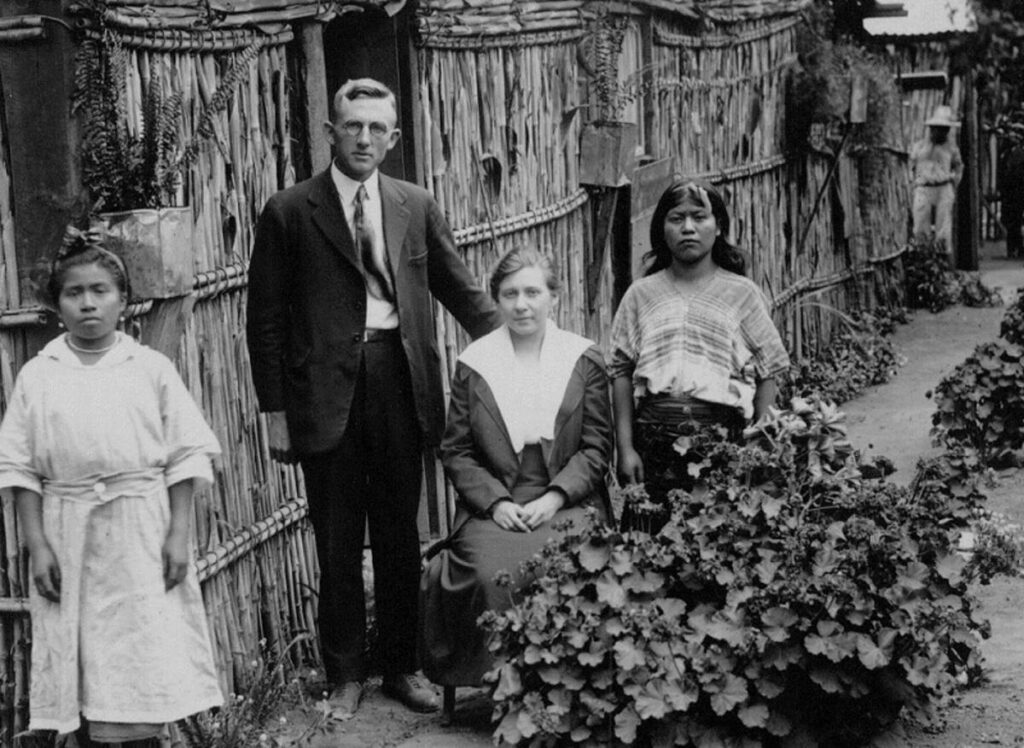
Beginning in 1917, a young man named William Cameron Townsend felt fueled by a vision to obey Jesus’ command to take the gospel to the nations. He moved to Guatemala and soon learned about the Cakchiquel people. They asked Cam something that really made him think: Why didn’t God speak their language? Was He only the God of English and Spanish speakers?
This moved Cam, who deep down thought everyone — men, women and children — should be able to read God’s Word in their own language. So although it would end up taking almost 10 years of his life, he decided to learn the complex Cakchiquel language, create an alphabet and translate the New Testament.
When he was done, the Cakchiquel finally had God’s Word, but thousands of other languages still needed it. So in 1934 Cam started Camp Wycliffe, a linguistic training program named after John Wycliffe, the first translator of the entire Bible into English. Less than 10 years later, the humble training camp had grown into two affiliate organizations known as Wycliffe Bible Translators and the Summer Institute of Linguistics (now SIL Global).
Cam’s work in translating the Bible for the Cakchiquel was just the beginning! Over a century later, his legacy lives on as his vision and impact continue. Wycliffe USA serves as a catalyst in the Bible translation movement, coming alongside the global Church and like-minded agencies to advance Bible translation.
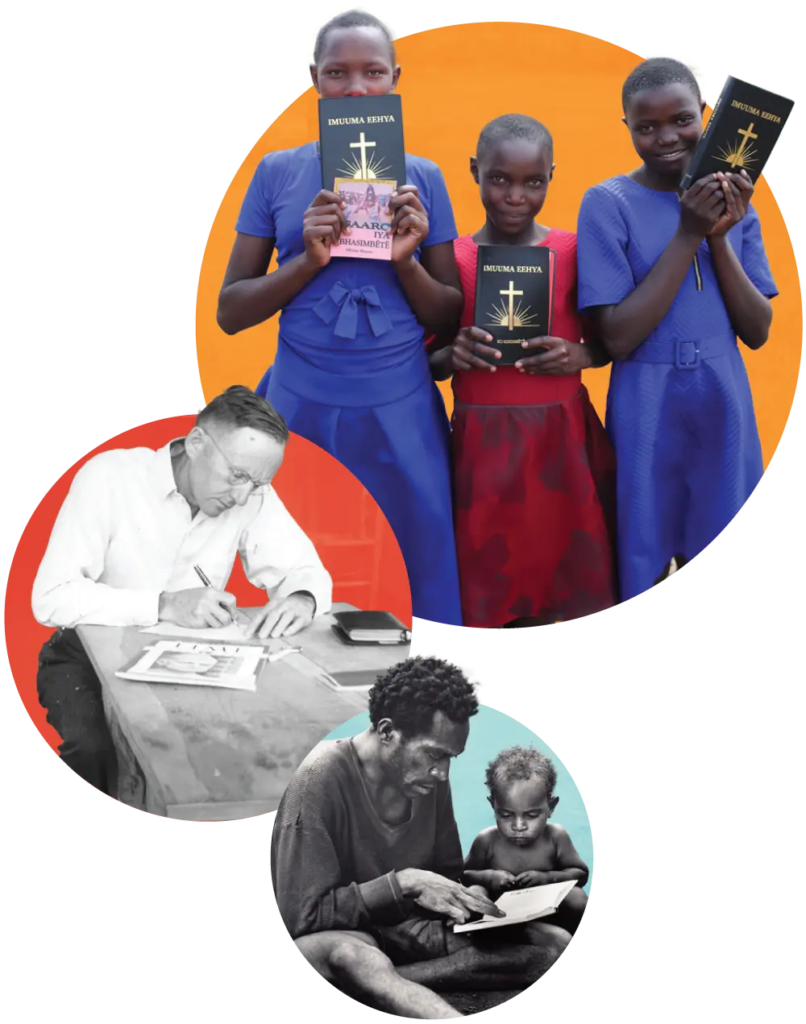
What began with one man saying “yes” to helping people experience God’s Word in their own language has grown into a global movement. Explore the story of how God has continued to move through Bible translation from the 1930s to today.
Wycliffe USA partners with Wycliffe Global Alliance, Seed Company, SIL Global, JAARS and more, as well as the illumiNations collective impact alliance. We also partner with more than 3,000 local churches and organizations around the world.
And it all began when Cam’s eyes were opened to a people who were vastly overlooked and desperately needed to know that God spoke their language too.
Throughout the history of the Bible translation movement, God has also called women to courageously move His mission forward. Women like Florrie Hansen, Eunice Pike, Faye Edgerton and many more have made an impact for God’s Kingdom through Bible translation!
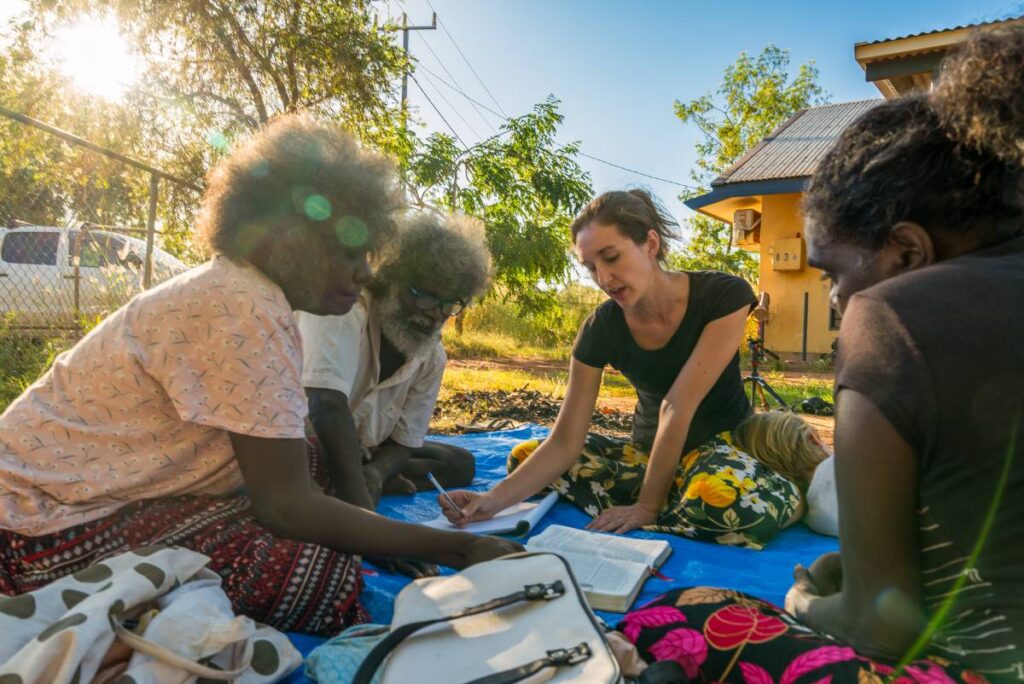
What is happening in Bible translation today?
Around the world, approximately 7,400 known spoken and signed languages are in use by more than 8 billion people. Bible translation is part of a global movement led by local churches and supported by partners around the world to ensure that each one of these people has God’s Word.
To this end, Wycliffe USA is engaged in translation projects with more than 2,800 language communities, working alongside local churches and partners so that people can experience the full story of Scripture.
What happens when Bible translation begins?
Bible translation is about so much more than the technical work of translating words. It’s about people encountering God through His Word.
As Scripture becomes available:
- People begin to understand more about the God who created them and His love for them.
- Communities experience a renewed sense of identity and worth as people realize God sees them, values them and knows their language.
- Churches are equipped for evangelism, discipleship, church planting and more.
- Communities encounter Jesus in ways that are clear and personal.
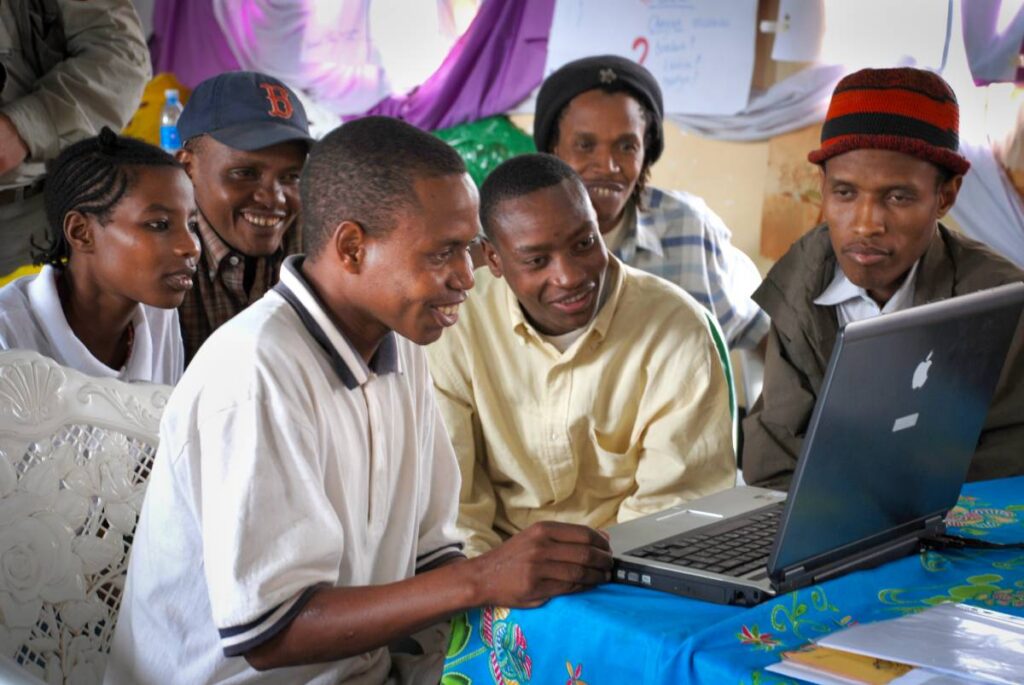
Technology and the Future of Bible Translation
God is on the move, and He’s accelerating the work of Bible translation all around the world, especially through technology and modern innovation.
Today you can:
- Read, watch and listen to Scripture in various written, audio and video formats
- Easily access the “JESUS” film and other free digital ministry tools
- Virtually travel the world in the Bible Translation Experience! Through immersive storytelling, personal testimonies and firsthand accounts, you’ll witness how God is transforming lives and strengthening His Church through Scripture
Whether it’s through processes like FIA, sign language Bible translation using AI technology or otherwise, Bible translation isn’t just about translating words; it’s ultimately about how God transforms lives and communities when people experience Jesus personally in their language.
The Global Church Today
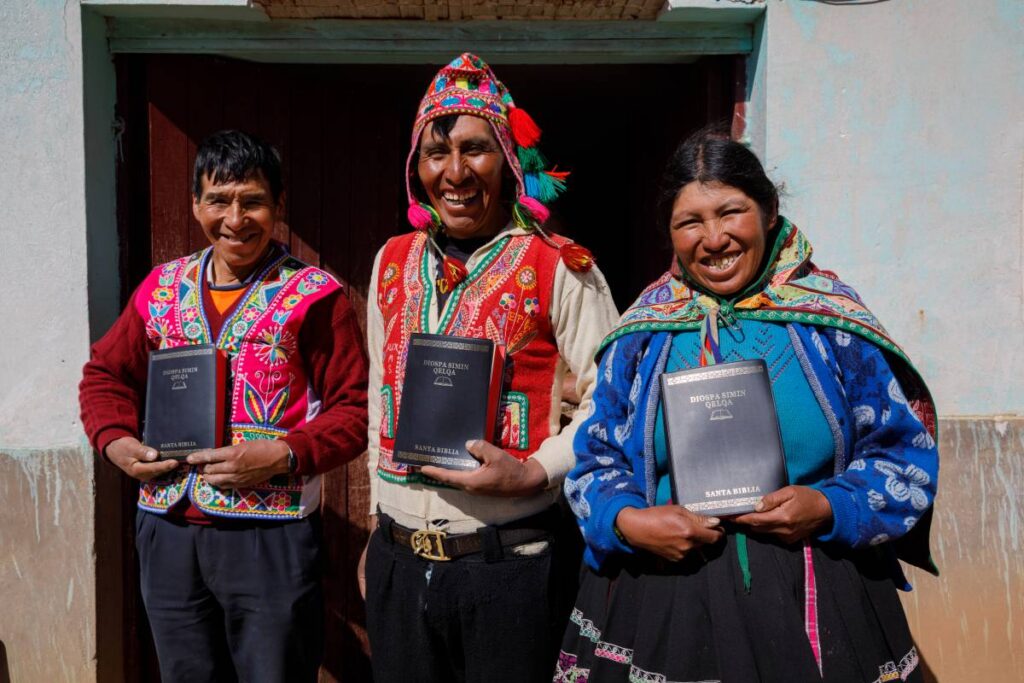
The global Church is growing fastest in places where Scripture is newly available and people can understand God’s Word.
What does it look like when churches, ministries and leaders unite for one purpose of bringing God’s Word to all people? David Cardenas of Wycliffe Global Alliance shared how God is working through unity, conversations and collaboration across cultures and organizations in the Bible translation movement. This isn’t just one group’s mission: It’s the mission of the whole Church:
Why Bible Translation Matters
Clearly, God has been working and continues to work through Bible translation in mighty and meaningful ways! And Bible translation still matters immensely because everyone deserves the opportunity to experience God’s great story in a language and format they clearly understand.
Today, more people than ever are engaging with God’s Word! As Bible translation continues, communities have the opportunity to encounter God through Scripture in ways that are clear and meaningful.
Bible translation helps make it possible for people to:
- Understand who God is
- Encounter Jesus through His Word
- Grow in their faith, both individually and as a community
When people engage with God’s Word in a way they clearly understand, they begin to see who God is and respond to His love for them.
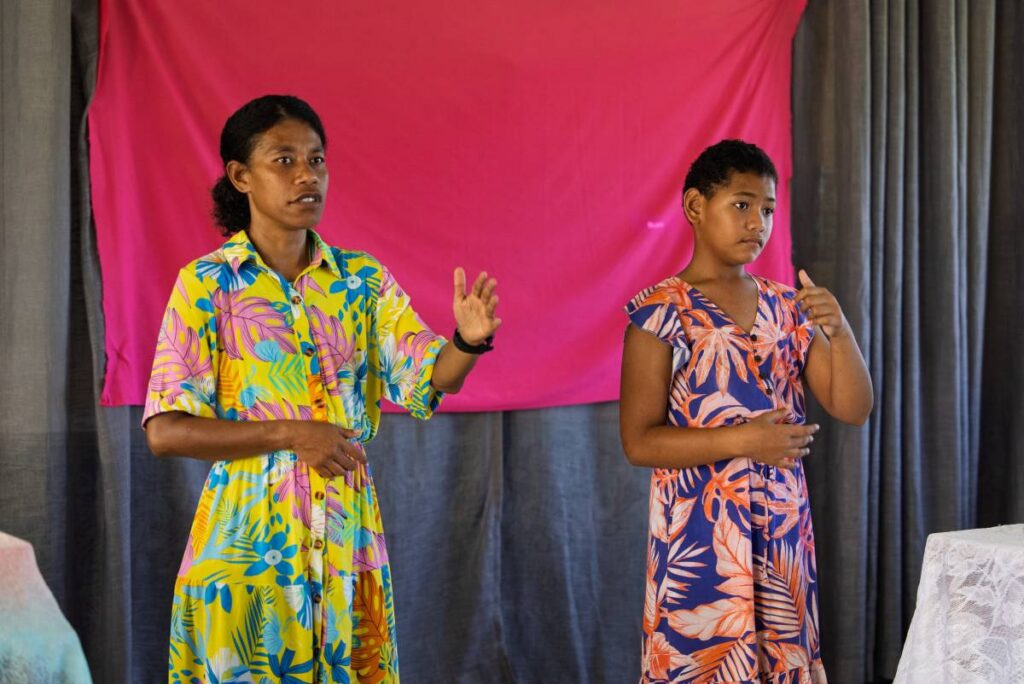
The Work Still Ahead
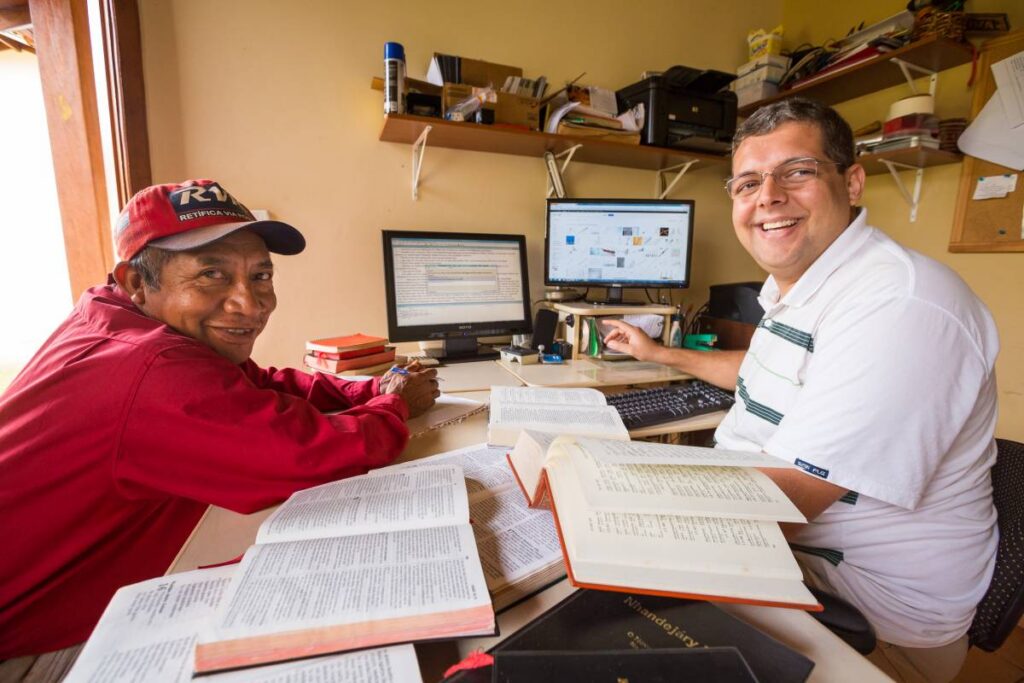
With a long history, over 80 years, Wycliffe and like-minded organizations have led efforts to advance Bible translation around the world. But today local churches are asking for — and sometimes even starting — Bible translation themselves. And they don’t want to wait for the work to start; they want to start it immediately. Local churches are playing a significant role in Bible translation for their own communities, and that’s accelerating the pace of the work.
As a result, the work is moving faster than ever. Wycliffe desires to continue saying “yes” to every community still needing Bible translation, working alongside them to see the work started, sustained and completed so that people can be transformed by encountering Jesus personally through Scripture.
Momentum is growing thanks to global partnerships, local translators and advancing technology. But there are still languages that need Bible translation to start for the first time, and many more people are waiting for the full counsel of God’s Word.
While the journey of Bible translation might not look the same for each language community, it’s all done in pursuit of a final destination: seeing God’s Word made available for all people so that lives are changed for eternity.
From Babel to Now
We’ve come a long way since the events of Babel. But God used His Spirit at Pentecost to redeem what was lost at Babel. He continues to display His great love for every person from every language and culture. God wants everyone to know “… about the wonderful things [He] has done” (Acts 2:11, NLT) in a language they clearly understand.
We’ll keep joining God in this work, and we won’t stop until we reach the promised future when there is “… a vast crowd, too great to count, from every nation and tribe and people and language, standing in front of the throne and before the Lamb” (Revelation 7:9, NLT).
Frequently Asked Questions
Visit our “Why Bible Translation?” page for answers to common questions about the work God is doing around the world to make His Word accessible to people in ways that capture their hearts and transform their lives forever. And find out how He invites each of us to join in and be part of the story!